Money tends to flow to where it’s treated best.
The obvious problem with this concept is that money can continually flow into sectors even up to and including the most preposterous valuations.
The other problem is when the air goes out of a super-overvalued asset class, it doesn’t do so quickly. As the old adage goes: markets take the stairs to the top and the elevator back down.
Among professional investors, the idea of rotating out of overvalued sectors into undervalued sectors is well understood. These folks take profits all the way up while shuffling into other sectors.
They are not bagholders.
These Two Lines Have Never Been This Far Apart
Gold analyst Garrett Goggin recently uncovered a simple chart stretching back roughly 100 years. It compares expensive growth assets with hard assets – and today those two lines are farther apart than at any other point in the chart’s history.
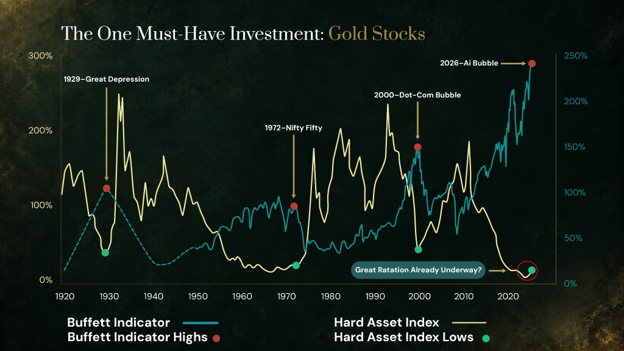
Every previous extreme resulted in enormous wealth for investors with the foresight to buy and hold the best gold stocks. Garrett believes we’re approaching another “Great Rotation” into gold miners – and he’s identified four miners everyone should own beforehand.
Go here for more on this 100-year chart and Garrett’s top four stocks.
The average investor, on the other hand, tends to buy near the top and hold the bag all the way down.
There are many instructive examples in the market showing this kind of sector rotation – which become extremely obvious at the margins.
The Dot-Com bust saw about a third of the S&P 500’s market cap tilted towards tech. Between the 2000 peak and the 2002 bottom, the entire Nasdaq was down nearly 80%, with “old fashioned” businesses benefitting from the rotation – including but not limited to gold.
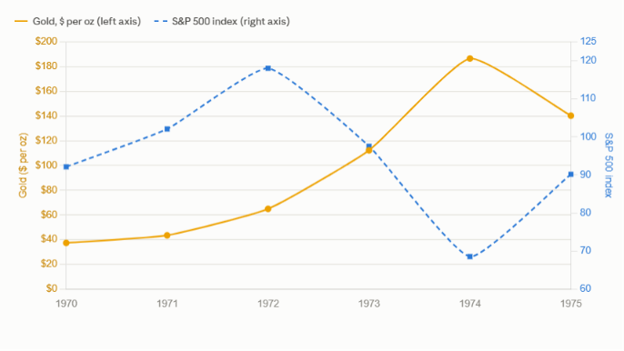
The biggest and best example that I believe is most applicable today is the period ending in 1973, which saw the collapse of the Nifty Fifty.
Back in the early 1970s, investors all piled into “blue chip growth” stocks, sending big names to sky high valuations between 50-90 times earnings. Those big names all fell by upwards of 90% by 1974.
Energy and especially commodities like gold and silver were the big winners following that collapse. Money flowed out of the Nifty Fifty and into hard assets.
That’s very similar to where we are today. Big tech names are selling for sky high valuations – and unlike the 1970s or the early 2000s, many of these companies have no earnings. They’re selling for a multiple of their debt levels…
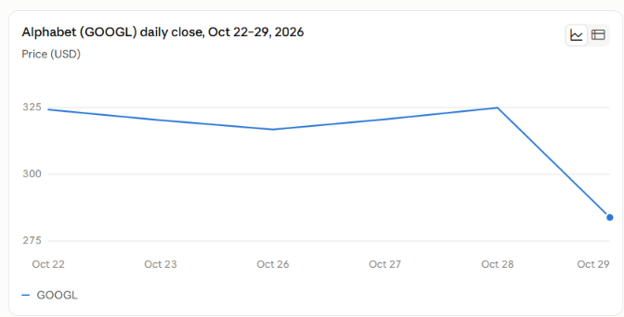
We’re starting to see some of these big tech names roll over. Google just dropped 12% in one day.
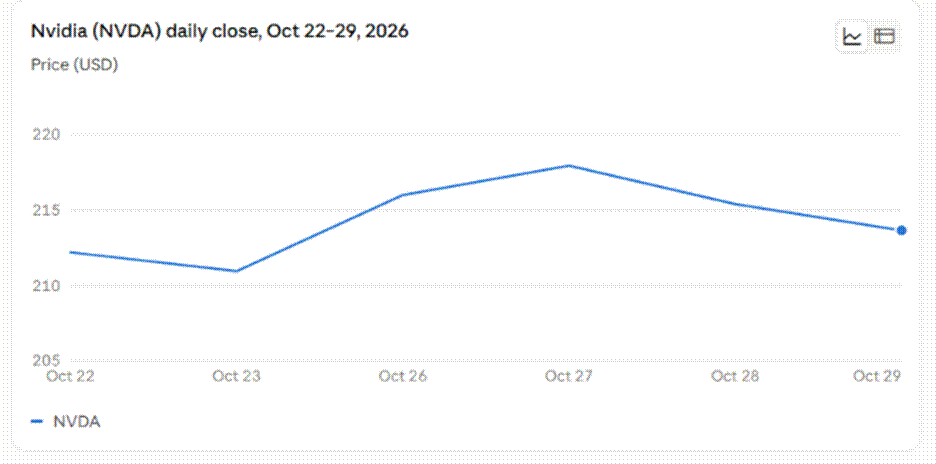
Even Nvidia looks like it’s starting to roll over:
Cisco’s CEO recently announced his decision to give a programmer “unlimited” tokens to rewrite all of the company’s code.
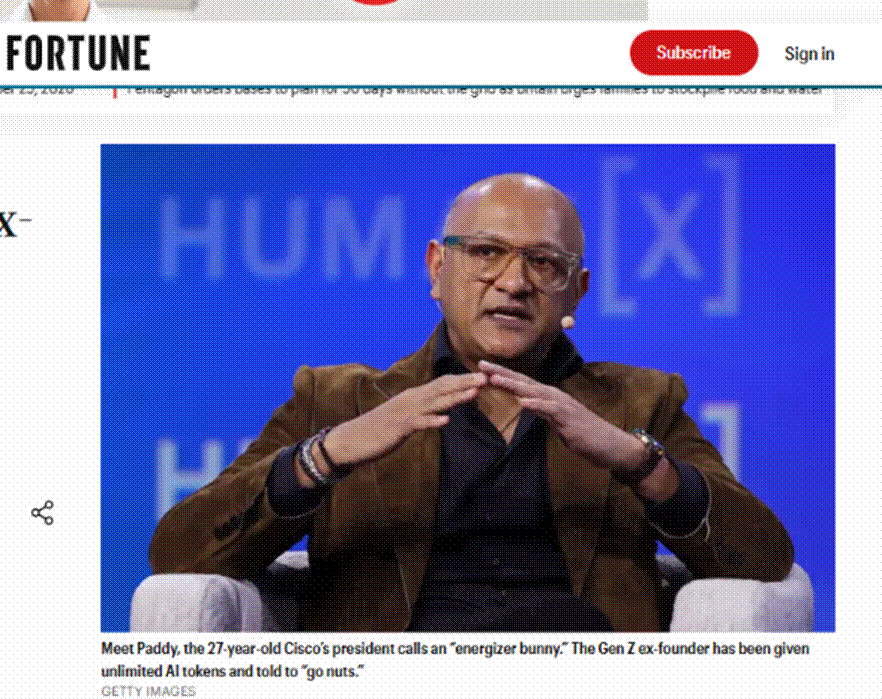
Go nuts! Unlimited! That’s the kind of thing you hear towards the end of a boom cycle in tech.
Right now, gold and silver are correcting hard, coming close to long term support levels. But the intelligent investor looks ahead to where tech is likely to be in a year vs. where gold and silver are likely to be.
The trend tells us that a super leveraged, overvalued sector with massive debts and no profits in sight will fall hard. The sector that’s been in a 10 month correction which investors are giving up will come out ahead.
The Great Rotation is likely already happening.
You can put yourself into some of the world’s best gold and silver opportunities now – ahead of the crowds.
Take a look at my full briefing on how to do so, here.
Best,
Garrett Goggin, CFA, CMT
Lead Analyst and Founder, Golden Portfolio